
Is your pet’s licking, chewing, and scratching keeping you both awake at night? If so, call (570) 784-6440 or book an allergy consultation online.
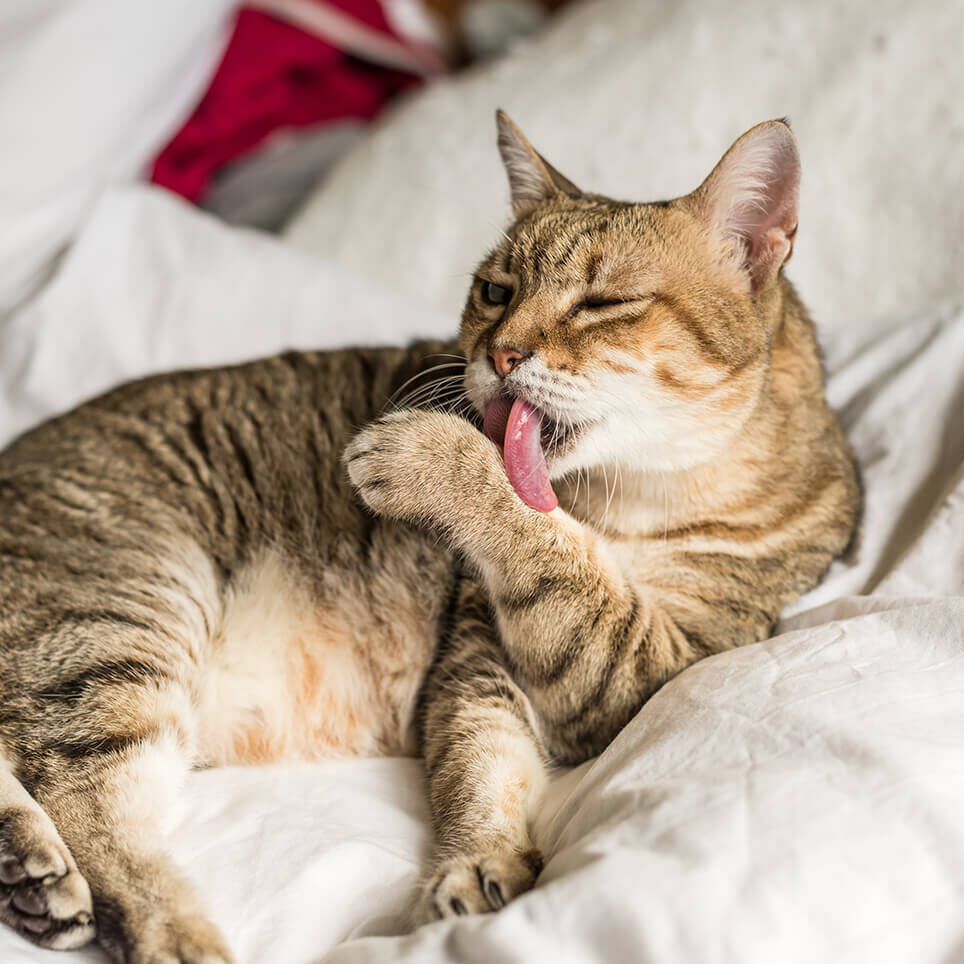
What Are the Signs of Allergies in Dogs and Cats?
Allergies often show up as itching, licking, chewing, or recurring skin and ear problems. Some pets develop mild seasonal symptoms, while others struggle with flare-ups throughout the year.
You may notice:
-
Frequent scratching
Especially around the face, ears, belly, feet, or tail base
-
Paw licking or chewing
Often persistent or difficult to interrupt
-
Red or irritated skin
Sometimes with bumps, scabs, or darkened areas
-
Recurring ear infections
Head shaking, ear scratching, odor, or discharge can all be clues
-
Hair loss
From overgrooming, scratching, or skin inflammation
-
Skin odor
Often associated with bacterial or yeast overgrowth
How Do We Diagnose the Cause of Your Pet’s Itchy Skin?
We start with your pet’s history and physical exam, then use diagnostic testing when needed to narrow down the cause.
We may ask when the itching started, whether it is seasonal, what your pet eats, what parasite prevention they use, and whether ear infections or skin flare-ups keep returning.
Depending on what we find, testing may include:
- Skin scrapings
- Cytology or microscopic evaluation
- Fungal testing
- Laboratory testing
- Parasite testing
- Additional diagnostics for recurring or complex skin disease
How Are Cat and Dog Allergies Treated?
Treatment depends on what is causing the symptoms and whether infection or another skin problem is present at the same time.
Your pet’s plan may include treatment for inflammation, infection, parasites, or other contributing problems. We may also recommend dietary changes, parasite prevention, bathing routines, or long-term allergy management depending on the diagnosis.
Some allergy problems can be controlled but not permanently cured. In those cases, our focus is on reducing flare-ups, keeping your pet comfortable, and adjusting treatment when their symptoms change.

How Can We Help With Long-Term Allergy Care?
Allergy care often works best as an ongoing plan rather than a one-time treatment. Symptoms can change with the season, age, environment, and other health conditions.
We’ll help you track patterns, respond to flare-ups, and adjust the plan when needed. For pets with chronic skin disease, that may mean balancing preventive care with treatment for active symptoms.
Call (570) 784-6440 or book an appointment online so we can examine your pet’s skin, talk through the patterns you have noticed, and build a plan.