
Get to the bottom of your pet’s health concerns by calling (570) 784-6440 or scheduling an appointment online.
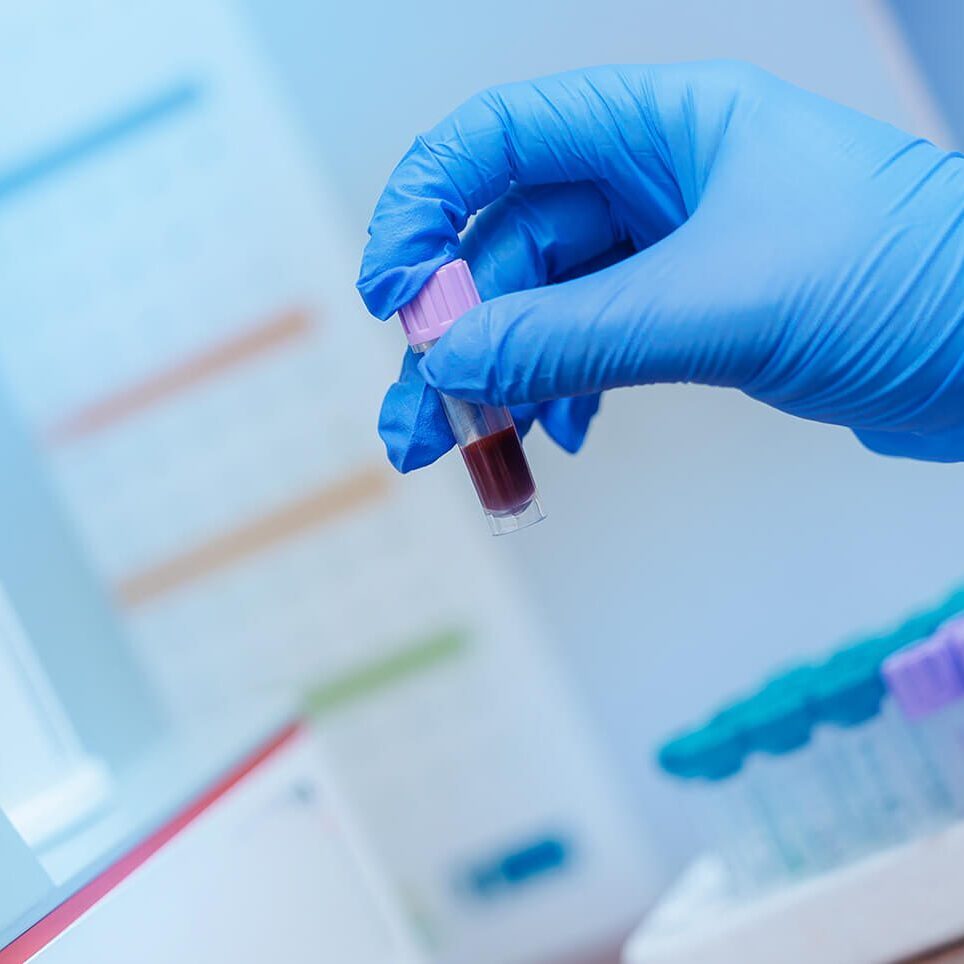
What Can Our In-House Laboratory Tell Us?
Our veterinary nurses are trained to process laboratory tests accurately and efficiently. In many cases, we can receive results from routine in-house blood testing within minutes, which is especially helpful when a pet is sick and we need information without a long wait.
We can perform testing such as:
- Complete blood counts (CBCs)
- Blood chemistry profiles
- Electrolyte measurements
- Urinalysis
- Skin scrapings
- Dermatophyte cultures
- Heartworm testing
- Lyme disease testing
- Intestinal parasite testing
- Feline leukemia and FIV testing
- Giardia testing
- Ehrlichia testing
What Can Digital X-Rays Show Us?
Digital radiography gives us detailed images of your pet’s bones, chest, abdomen, and other internal structures within minutes. X-rays can help us investigate many problems that cannot be identified through a physical exam alone.
We may use digital X-rays to:
- Locate fractures and other bone injuries
- Evaluate joints and certain orthopedic concerns
- Look for changes in the heart or lungs
- Identify the location and size of some masses
- Look for swallowed objects
- Evaluate parts of the abdomen
- Assess changes that may require further testing
Because digital images are available quickly, we can review them with you soon after they are taken. For more complex cases, we can also send radiographs electronically to a referral specialist for additional review.
What Is Veterinary Ultrasound Used For?
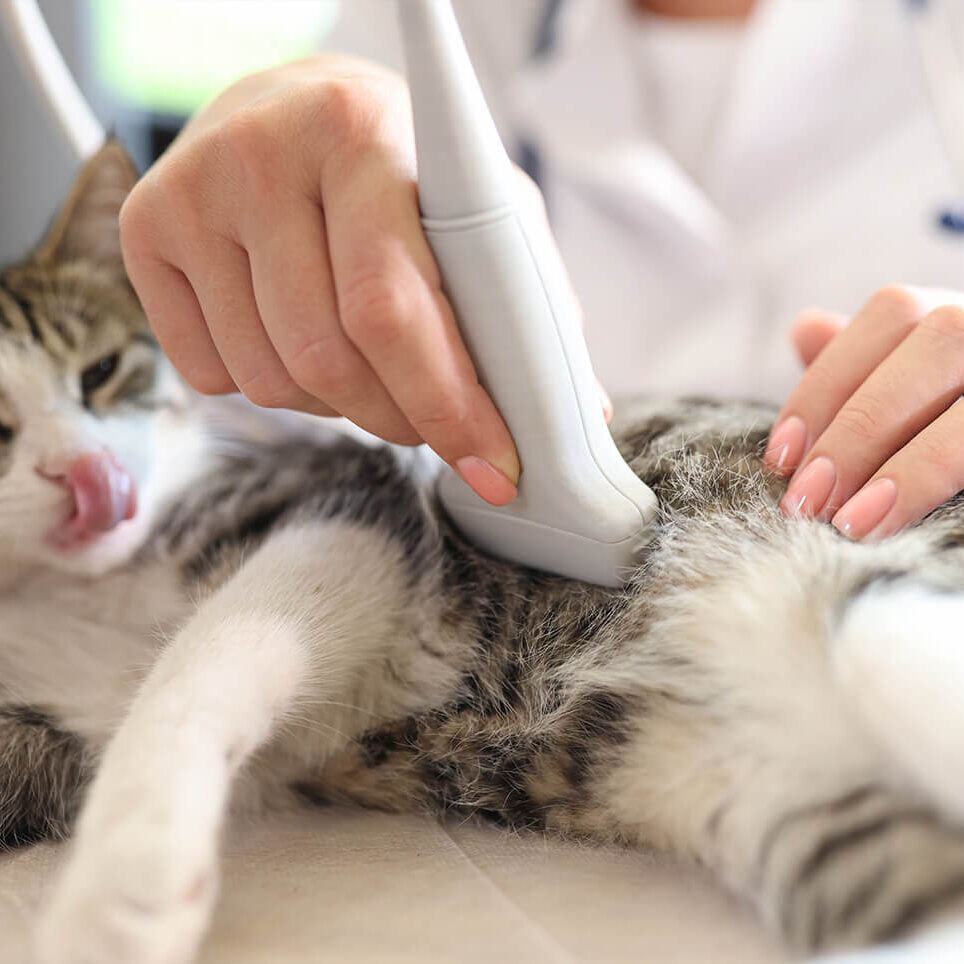
Ultrasound gives us a real-time, moving view of internal organs and soft tissues without surgery. We primarily use it to investigate abdominal and cardiac concerns.
Unlike an X-ray, which captures a still image, ultrasound allows us to watch structures move. That can help us evaluate organs and certain areas of the heart in more detail.
Ultrasound may also assist with procedures such as:
- Collecting certain biopsy or aspirate samples
- Obtaining urine directly from the bladder through cystocentesis
- Removing or sampling fluid within a body cavity
- Evaluating pregnancy
Most ultrasound examinations are noninvasive and do not require general anesthesia. When needed, we can also consult with a specialist or send studies for referral review to help us interpret more complex findings.
What Happens If the Results Aren’t Clear?
Sometimes one diagnostic test gives us the answer, and sometimes it tells us where to look next. Veterinary medicine can involve a little detective work, particularly when different conditions cause similar symptoms.
If we need another perspective, we can send certain X-rays, ultrasound studies, or laboratory samples to outside specialists or referral laboratories. We’ll explain when we think an additional test or consultation could give us useful information.
We’ll also talk with you before moving forward so you know what we’re recommending and why.
If your pet is showing new symptoms, needs health screening, or has an abnormal exam finding that needs further investigation, call (570) 784-6440 or book online.